



How to Choose the Right Harness for Your Dog
How to Choose the Right Harness for Your Dog
Walk into any pet store and you'll find an entire wall of dog harnesses — different shapes, clips, fabrics, and price points all staring back at you. It can be overwhelming, especially if you're not sure what you're looking for. But the right harness makes an enormous difference in how comfortable and safe your dog is on
The wrong harness can cause chafing, allow your dog to slip free, or actually reinforce pulling behavior instead of discouraging it. The right one will fit properly, suit your dog's specific needs, and make every walk more enjoyable for both of you. Here's everything you need to know to choose with confidence.
Harness vs. Collar: Which Should You Use?
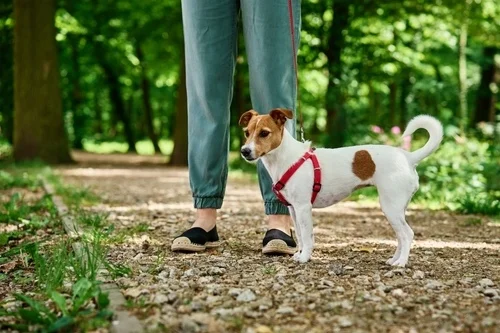
For many dogs, a harness is the safer, more comfortable choice over a traditional collar. Collars put pressure directly on the trachea, which can cause real damage over time for dogs that lunge or pull. A harness distributes that pressure across the chest and shoulders instead, reducing the risk of injury. Collars still have their place: they're ideal for holding ID tags and work well for calm, leash-trained dogs on easy walks. But if your dog pulls, has a delicate neck, or is still learning leash manners, a harness is the better tool. A simple rule of thumb: if your dog pulls or is under a year old, go with a harness.
Back-Clip Harness
The back-clip harness is the most common style and the easiest to use. The leash attaches to a ring on the back, between your dog's shoulder blades. It's comfortable, easy to put on and take off, and works beautifully for dogs that already walk nicely on a leash. The drawback is that it offers little leverage if your dog is a strong puller — the back attachment can actually make pulling easier for the dog. Best for: calm dogs, puppies getting used to wearing a harness, and dogs in training who already have decent leash manners.
Front-Clip Harness
Front-clip harnesses have the leash ring positioned on the dog's chest. When your dog pulls forward, the attachment point steers them back toward you, which naturally discourages pulling and redirects their attention. It's one of the most effective tools for dogs still learning to walk on a leash. One thing to keep in mind: front-clip harnesses can affect a dog's gait if used for every single walk long-term, since the chest attachment interferes with natural shoulder movement. Best for: dogs that pull or are actively in leash training.
Dual-Clip Harness
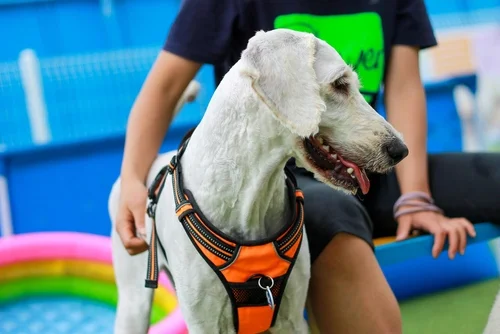
Can't decide between front and back? A dual-clip harness gives you both. These harnesses have attachment rings at the chest and the back, letting you choose based on the situation. Use the front clip during training walks when you need more control, and switch to the back clip for relaxed outings. They're the most versatile option on the market and work well with a double-ended leash for maximum control. Best for: owners who want flexibility, or dogs that are somewhere in between trained and still learning.
Step-In Harness
Step-in harnesses are designed to avoid going over your dog's head entirely — your dog steps their front paws into two loops, and you clip the harness over their back. For dogs that are anxious, sensitive about their heads being touched, or simply resistant to having things pulled over their faces, this style is a game-changer. They tend to run a bit simpler in design, so look for one with padded contact points if your dog will be wearing it for longer walks. Best for: anxious or sensitive dogs and those with a strong aversion to over-the-head gear.
No-Pull Harness
No-pull harnesses are specifically engineered to discourage pulling behavior. They typically combine a front-clip attachment with a design that applies gentle pressure to the chest or shoulders when the dog lunges forward, creating an uncomfortable sensation that encourages the dog to slow down. They can be highly effective training tools when used consistently and correctly. They should be paired with positive reinforcement training rather than used as a standalone fix. Best for: strong pullers and dogs that need firm but gentle discouragement during leash training.
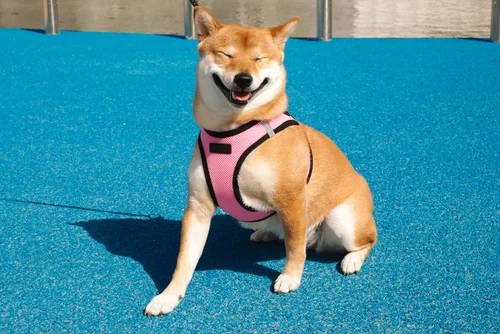
Vest Harness
Vest-style harnesses wrap around more of the dog's torso, distributing pressure evenly across a larger surface area. They tend to feel more secure and comfortable for dogs that are sensitive to pressure, and they look great too. They're a popular choice for small breeds that need extra support and puppies whose bodies are still developing. The wider coverage also makes them harder to slip out of, which is a bonus for escape artists. Best for: small breeds, puppies, and dogs that have managed to wriggle out of other harness styles.
How to Measure Your Dog for a Harness
Even the best harness won't work if it doesn't fit. The two measurements you need are girth , which is the circumference of your dog's chest just behind their front legs, and neck circumference. Use a soft tape measure and note both in inches. From there, check the sizing chart for whichever harness you're considering, as sizes vary significantly between brands.
Once the harness is on, run two fingers under any strap. If you can do it comfortably, the fit is right. If the harness is so loose that you could fit your whole hand under it, it's too big. A dog that's determined to escape will find a way. If you can barely squeeze one finger under, it's too tight and will cause chafing over time.
Common Harness Mistakes to Avoid
Buying based on looks alone is the most common mistake. A harness that looks adorable but doesn't fit correctly or suit your dog's needs won't do either of you any favors. Always check the fit after putting it on — a harness that seemed right in the store can shift once your dog starts moving. Avoid using a back-clip harness on a dog that pulls heavily, as it offers too little control. And take the harness off at home when you're not walking. Leaving it on 24/7 can cause hair matting, skin irritation, and unnecessary wear on the harness itself.